
Spiders
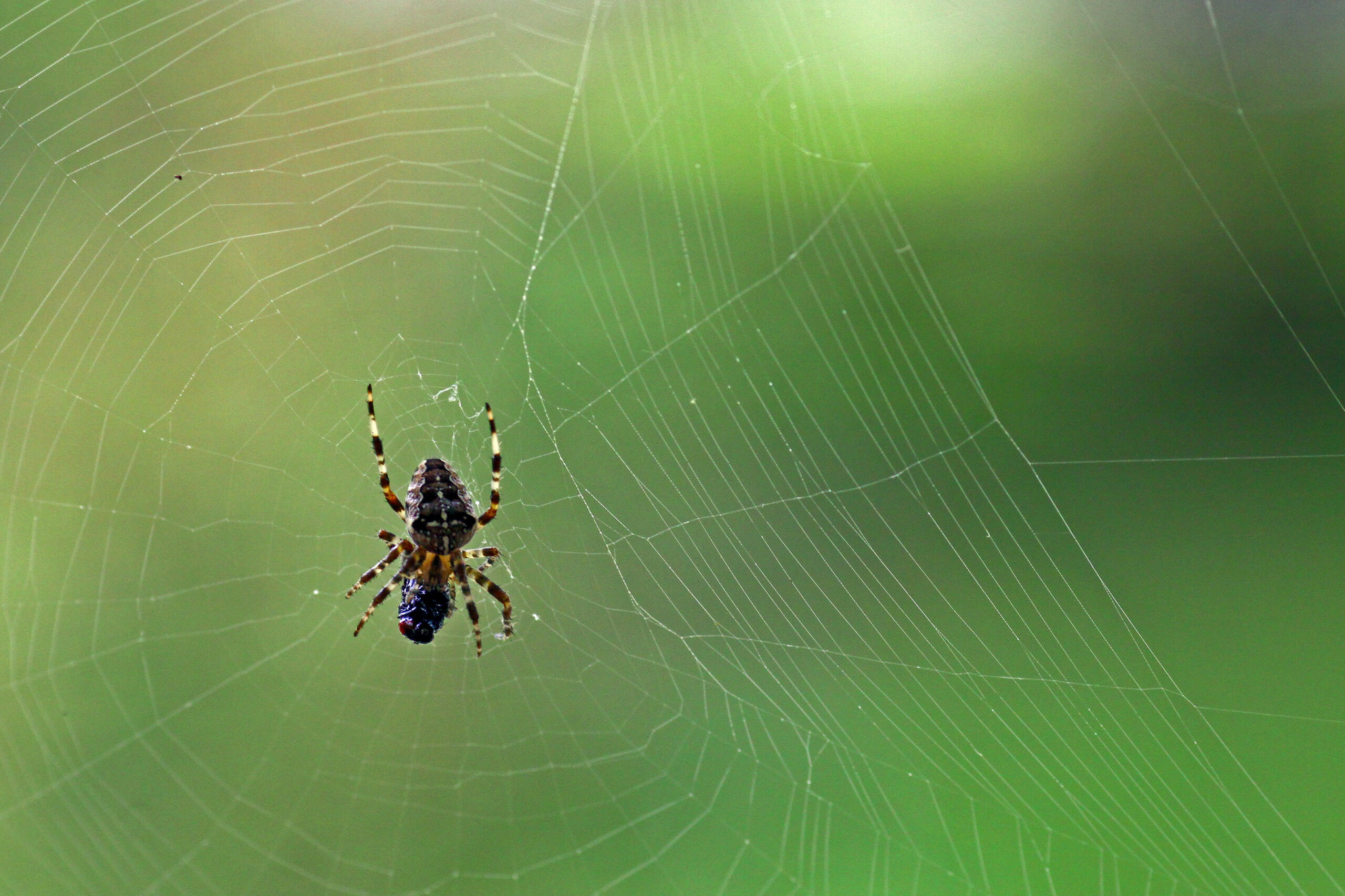
Signs of a Spider Infestation In Middle Tennessee
Webs and Sightings
You might already know you have a spider infestation, but here are a couple of the most common signs spider exterminators look for in your area.
Webs
Not all spiders make webs, but most of those found inside will make cobwebs in low-traffic areas. Basements, crawl spaces, attic spaces, storage containers, cardboard boxes, window frames and window wells, outdoor light fixtures, and similar areas are excellent candidates for spider activity.
Sightings
Besides webs, the main sign of spiders is to
find one crawling around. The only reason spiders are found inside or near a
home is because of their food insects and other spiders.
The Brown Recluse
· Around 3000 species of spiders live in North America – probably not that many in your area. Most of these are nontoxic to humans, like the yellow sac spider and domestic house spider. However, there are a couple spiders you need to look out for:
· Most common in the southern states, this spider has a potentially lethal bite.
· Its venom is necrotic, meaning it kills living tissue.
· To identify a brown recluse, look for a sandy brown spider with a dark, violin shaped mark on its body.
· This spider will likely be hiding in a dark, secluded area — hence its name.
The Black Widow
· A common venomous spider in the United States.
· Female black widows are much more dangerous than their relatively harmless male counterparts.
· A female black widow’s body is about one-half inch long with a trademark red hourglass on the underside of the belly. The rest of the body and the legs are a shiny black color.
· Drop-for-drop, a female black widow’s venom is thought to be 15 times stronger than rattlesnake venom, although, in most cases, not enough of the spider’s venom is released to be fatal.
· Unlike the brown recluse’s venom, a black widow’s poison affects the nervous system, not the tissue.
· Although most spiders aren’t as dangerous as the brown recluse or black widow, it’s best not to wait too long before seeking professional help if you have a spider infestation.
Spider Webs
Spiders can often be identified by the type of web they build:
Tangle Webs: Better known as cobwebs, tangle webs are unorganized and look thrown together. These are made by the Theridiidae family of spiders, which the black widow is a member of.
Tubular Webs: These webs create a tunnel, and are usually found between rocks and caves. These are made by the Segestriidae family of spiders which can be venomous.
Funnel Webs: Similar in appearance to tubular webs, funnel webs are essentially used as burrows for the spiders to wait for prey. You will find them between rocks, in plant cover, and other sheltered places. Funnel webs are made by Agelenidae, Dipluridae, and Hexathelidae spiders. Hobo spidersare funnel web building spiders.
Spiral Webs: The most common type of spider web, the spiral orb webs come in two types. There are adhesive and non-adhesive types, both of which are built by Araneidae spiders. Garden spiders are spiral orb web weavers.
Sheet Webs: Being made of individual strands of silk woven into a thick mat, sheet webs are the largest webs that you will see. Despite their size, they are usually home to very small spiders from the Linyphiidae family. These webs will be found in trees and bushes, almost never inside your
home.
Contact Information
6160 Hampton Hall Way
Hermitage, Tennessee, 37076, United States
Mon-Fri
8:00 AM - 5:00 PM
Sat
8:00 AM - 12:00 PM
Sun
Closed
What types of spiders are most common in Middle Tennessee?
Middle Tennessee homes commonly encounter several spider species. The brown recluse is our most medically significant spider, preferring dark, undisturbed areas. Wolf spiders are large, fast hunters often found in garages and basements. House spiders create cobwebs in corners and windowsills. Black widows inhabit dark, sheltered outdoor areas like woodpiles and sheds. Cellar spiders (daddy-long-legs) are harmless basement dwellers. Jumping spiders are small, curious spiders often seen on walls and windowsills. Orb weavers create large outdoor webs in gardens. Each species requires different control approaches.
How do I know if I have a spider infestation?
Signs of spider infestation include: multiple spider sightings daily, abundant webs in corners and ceilings, egg sacs in protected areas, shed spider skins (molts), insect remains in webs, and unusual congregation of spiders in one area. Brown recluse infestations may show little webbing but numerous spiders. Finding multiple spiders of the same species suggests breeding populations. Professional inspection by Armor Termite and Pest Control can determine infestation severity and species present.
What's the difference between spider bites and other insect bites?
Spider bites have distinct characteristics: two puncture marks (though often only one is visible), initial pain varies by species (brown recluse often painless initially), localized redness and swelling, and potential for systemic symptoms with venomous species. Most spider bites occur when spiders are trapped against skin. Unlike mosquito or flea bites that often appear in clusters, spider bites are typically singular. If you suspect a spider bite, save the spider if possible for identification and seek medical attention for severe reactions.
Are DIY spider sprays effective?
Over-the-counter spider sprays have significant limitations. They kill on contact but provide minimal residual protection, don't reach spiders hiding in cracks and voids, may repel spiders to other areas rather than eliminating them, and can't penetrate egg sacs. Many spiders walk on leg tips, limiting contact with treated surfaces. Professional treatment by Armor Termite and Pest Control uses specialized products and application methods reaching spider harborage areas and providing long-lasting control.
Can spiders survive Tennessee winters?
Yes, many spider species successfully overwinter in Tennessee. Spiders survive by: entering diapause (similar to hibernation), seeking shelter in homes and structures, hiding under bark and in rock crevices, producing antifreeze-like compounds preventing tissue damage, and laying cold-resistant egg sacs. Indoor spiders remain active year-round in heated buildings. This survival ability means spider control is necessary even during winter months.
Pest Problem? No worries, we can help!
We will help you find the right treatment for your home or business.
Memberships and Associations


Get your free estimate,
no obligation quote
We are committed to maintaining open communication with our valued customers throughout the entire pest control process. If you have any inquiries, need estimates, or have questions about our services, please don’t hesitate to reach out to us at your convenience. We eagerly anticipate the opportunity to serve you in the near future.
6160 Hampton Hall Way
Hermitage, Tennessee, 37076, United States
Sat 8:00 AM - 12:00 PM
Sun Closed
