
Carpenter Ants
Carpenter Ant Exterminator in Nashville, TN
General Information
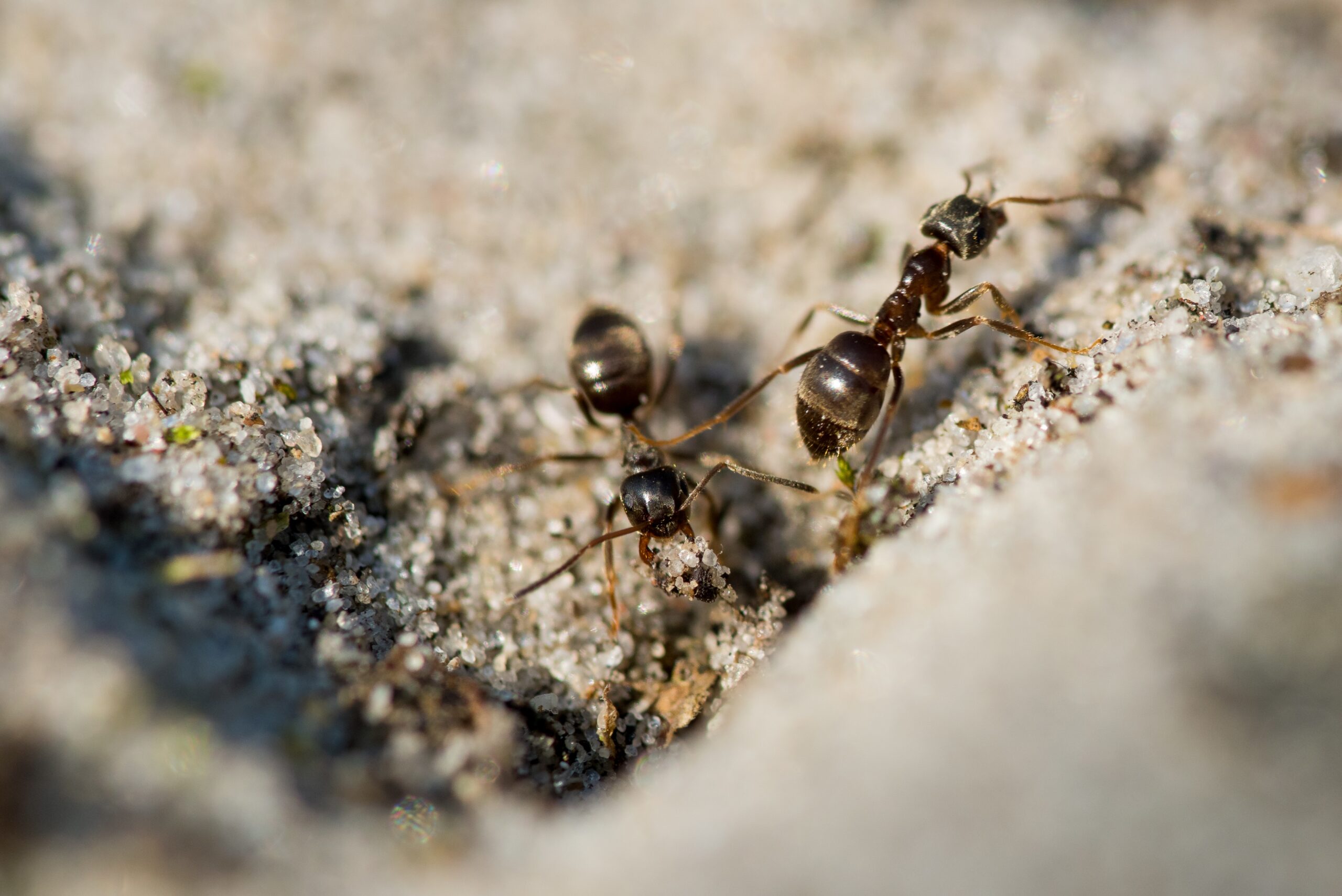
Carpenter ants are a type of ant species known for their large size and their ability to nest in wood, often causing damage to wooden structures. Winged, dark in color, and residing in moist, damaged woods, it’s common that homeowners mistake carpenter ant swarms for termite colonies.
Size: 0.25 to 0.5 inches (6.35 to 12.7 mm) in length.
Color: Carpenter ants can vary in color, but they are commonly black or reddish-brown. Some species may have a combination of colors.
Characteristics: Carpenter ants have a well-defined waist, elbowed antennae with multiple segments, prominent mandibles, and six legs with three distinct segments.
Habitat and Behavior: Carpenter ants are known for their habit of tunneling and nesting in wood. They do not consume wood but excavate it to create galleries for nesting. They primarily feed on insects, honeydew, and sugary substances. They can be found in forests, urban areas, and structures with wood components. Colonies are typically established by a single queen, and mature colonies can contain thousands of individuals. Carpenter ants can cause structural damage when nesting in wooden buildings.
How to Prevent Carpenter Ants from Invading Your Home
Carpenter ants can be more than just a nuisance—they can cause significant damage to your home. Here’s how you can keep them at bay:
- Inspect Regularly
- Regularly check your home for signs of carpenter ants. Look for small piles of sawdust, which can indicate their presence, or consider hiring a professional for an inspection.
- Maintain Wood Condition
- Examine the wood in your home for any signs of water damage or decay. Replace or repair any compromised wood as carpenter ants are attracted to damp and decaying wood.
- Manage Water Flow
- Ensure your gutters are functioning properly and directing water away from your home. Repair any leaks or areas where water may accumulate, as moisture attracts carpenter ants.
- Yard Clean-Up
- Keep your yard free from natural debris such as branches and leaf piles. Store firewood at least 30 feet away from your home’s exterior to prevent ants from nesting nearby.
- Seal Entry Points
- Use a caulking gun to seal any gaps, cracks, and holes in your home’s exterior. Also, repair or replace any torn or damaged window and door screens to prevent ants from entering.
- Keep it Clean
- Regularly clean your home and store leftover food in sealed plastic containers to avoid attracting ants. A clean environment is less inviting for pests.
By following these steps, you can create a less inviting environment for carpenter ants and protect your home from potential damage.
Recognizing the Warning Signs of Carpenter Ants in Your Home
Carpenter ants are more than just a nuisance; they can cause significant damage to your home if left unchecked. Fortunately, there are several warning signs you can look out for to identify a potential infestation early on.
Structural Wood Issues
Inspect the wood around your home, especially in areas prone to moisture. Carpenter ants are attracted to water-damaged or rotting wood. While the presence of such wood isn’t a definitive sign of these pests, it indicates that your home could be at risk.
Sawdust-Like Frass
One of the most obvious signs is the presence of frass, which resembles sawdust. Carpenter ants expel this material from the tunnels they create. You might find it near wooden structures or even sticking to walls.
Frass is a telltale sign of a carpenter ant infestation. But what exactly is frass?
Frass is a byproduct created by carpenter ants as they burrow and create tunnels within wooden structures. It appears as a fine, sawdust-like powder, often resembling wood shavings. This material accumulates as the ants excavate wood to build their nests.
Indications of Carpenter Ant Activity:
- Saw-like Wood Particles: Finding small piles of this sawdust-like material around wooden structures, especially near walls or in crawl spaces, can be a strong indication of carpenter ant activity.
- Powdery Residue: Frass is not randomly scattered but is often found in specific areas where the ants are active. Look for powdery residue that may be sticking to walls or accumulating in small piles.
By closely monitoring for these signs, homeowners can promptly identify and address potential carpenter ant infestations, preventing further damage to wooden structures.
Unusual Noises
Pay attention to any rustling sounds coming from your walls. If carpenter ants are actively tunneling within, you may hear them despite their small size. Similarly, tapping on walls and listening for hollow sounds where the wood should be solid can also be a helpful diagnostic method.
Winged Ants
Keep an eye out for winged carpenter ants, also known as swarmers. These ants are reproductive and scouting members of the colony, responsible for finding new places to establish nests. Their presence is a serious indicator of a thriving colony nearby.
Discarded Wings
Finding discarded insect wings around your home might hint at a carpenter ant problem. Although not exclusive to carpenter ants, these wings can suggest that swarmers have recently been active in your area.
By staying vigilant and regularly inspecting these key areas and indicators, you can quickly identify a carpenter ant infestation and take appropriate action before substantial damage occurs.
What Should You Do If You Find Carpenter Ants in Your Home?
Discovering carpenter ants in your home can be alarming, but there’s no need to panic. Here’s a step-by-step guide on what to do next:
- Identify the Extent of the Infestation
Look for sawdust-like material, hollowed-out wood, and trails of active ants to determine the severity of the problem. - Consult a Professional
Reach out to a reputable pest control service company. These companies offer specialized treatments for carpenter ant infestations. With their expertise, they can assess your situation and provide effective solutions. - Schedule an Inspection
A trained technician will visit your home to conduct a thorough inspection, identifying the nest’s location and any damage caused. Their assessment will guide the treatment plan. - Implement the Treatment Plan
After the inspection, the pest control service will outline a treatment strategy that may include baiting, insecticide application, and preventive measures. Follow their recommendations closely to ensure the problem is fully resolved. - Prevent Future Infestations
Once the immediate issue is addressed, take steps to prevent future infestations. Seal cracks and crevices, remove wood debris from around your home, and keep areas dry to deter carpenter ants from settling again.
By taking prompt action and utilizing professional services, you can effectively manage and eliminate carpenter ant infestations, safeguarding your home from further damage.
Contact Information
6160 Hampton Hall Way
Hermitage, Tennessee, 37076, United States
Mon-Fri
8:00 AM - 5:00 PM
Sat
8:00 AM - 12:00 PM
Sun
Closed
Q: What are carpenter ants and why should Mt. Juliet homeowners be concerned?
A: Carpenter ants are large ants (¼ to ½ inch) that excavate wood to create nesting galleries. Unlike termites, they don’t eat wood but hollow it out, potentially causing significant structural damage to your home. In Middle Tennessee’s humid climate, they’re particularly attracted to moisture-damaged wood commonly found in crawl spaces, attics, and around leaky windows or roofs. We frequently encounter them in older homes throughout Mt. Juliet, especially near Cedarcreek Lake and Providence areas where moisture levels tend to be higher.
What are the warning signs of carpenter ant infestation in my Mt Juliet home?
A: Watch for these warning signs:
- Frass piles: Small piles of sawdust-like material near wooden structures, walls, or windowsills
- Rustling sounds: Faint rustling noises within walls, especially at night when ants are most active
- Winged ants: Large winged ants (swarmers) inside your home, particularly in spring
- Worker ant sightings: Regular sightings of large black ants, especially in kitchens or bathrooms
- Damaged wood: Hollow-sounding wood when tapped, particularly in moisture-prone areas
Q: Are carpenter ants dangerous to my family or pets?
A: While carpenter ants can bite when threatened, they’re not typically aggressive toward humans or pets. Their bites may cause minor pain and redness but aren’t medically significant for most people. The primary concern is the structural damage they cause to your home, which can lead to costly repairs if left untreated. Unlike fire ants common in Middle Tennessee, carpenter ants don’t sting and rarely bite unless their nest is directly disturbed.
How can I prevent carpenter ants from returning to my Nashville home?
A: Prevention is key to long-term carpenter ant control:
Moisture Management:
- Fix all plumbing leaks promptly • Ensure proper ventilation in crawl spaces and attics • Direct downspouts away from the foundation • Use dehumidifiers in damp areas • Seal gaps around windows and doors
Yard Maintenance:
- Keep firewood at least 30 feet from your home • Remove dead trees and stumps near the house • Trim tree branches touching your roof or siding • Replace damaged landscape timbers • Maintain a 12-18 inch barrier between mulch and your foundation
Home Maintenance:
- Replace water-damaged wood promptly • Seal cracks in the foundation • Install door sweeps and weather stripping • Keep gutters clean and functioning • Schedule regular professional inspections
Q: How quickly can carpenter ants damage my home?
A: Carpenter ant damage occurs gradually over months or years. A mature colony can excavate significant galleries in 3-6 years, but the rate depends on:
- Colony size (can reach 10,000+ ants) • Number of satellite nests • Wood moisture content (damp wood is excavated faster) • Wood type (softer woods are damaged more quickly) • Environmental conditions
While not as rapid as termite damage, untreated carpenter ant infestations can compromise structural integrity and require expensive repairs. Early detection and treatment are essential.
Pest Problem? No worries, we can help!
We will help you find the right treatment for your home or business.
Memberships and Associations


Get your free estimate,
no obligation quote
We are committed to maintaining open communication with our valued customers throughout the entire pest control process. If you have any inquiries, need estimates, or have questions about our services, please don’t hesitate to reach out to us at your convenience. We eagerly anticipate the opportunity to serve you in the near future.
6160 Hampton Hall Way
Hermitage, Tennessee, 37076, United States
Sat 8:00 AM - 12:00 PM
Sun Closed